
Flat Roof Repair • Sayreville, NJ
Flat Roof Leak Repair in Sayreville, NJ
Ponding water, blistered membrane or a leak over your extension or garage?
Flat roofs fail differently from shingle roofs, and they need a provider who works with membranes, not just shingles. Call (732) 641-1662 to reach an independent local roofing provider experienced with flat and low-slope roofs. If you're searching for flat roof leak repair near me in Sayreville, one call connects you with an independent local roofing contractor.
Why does a flat roof leak far from the stain?
On a flat roof, water does not run off. It sits, spreads sideways under the membrane through failed seams, and can surface far from the actual hole.
A stain in the middle of the room might trace back to a seam failure twenty feet away.
Call (732) 641-1662 and describe what you see.
Flat roof leak repair
Flat roof leak repair means finding where water is getting through a low-slope roof membrane and patching or resealing that spot. Unlike shingles, flat roofs do not shed water down a slope, so even small punctures, seam gaps, or ponding areas can let water in.
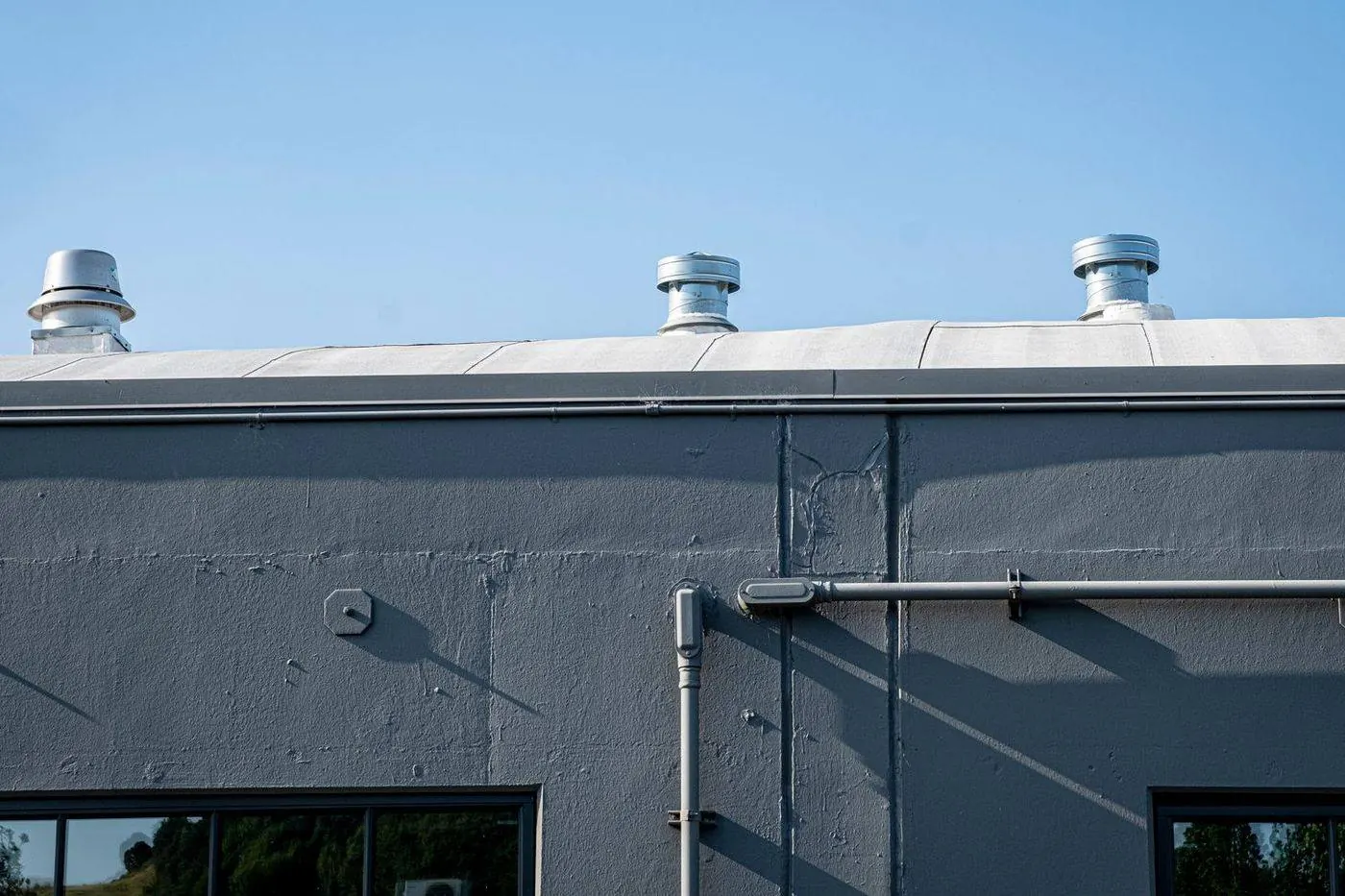
"Flat" roofs are rarely perfectly flat, they slope just enough (usually 1–2 degrees) to move water toward drains or scuppers. Around Sayreville you'll find them on commercial buildings, garage and home additions, porches, and some mid-century homes. Instead of shingles, they wear a continuous waterproof membrane: EPDM rubber, TPO, PVC, or modified bitumen (torch-down). If you are searching for flat roof repair near me in Sayreville, the leak often sits far from the ceiling stain. A flat roof leak repair in NJ starts with tracing the water across the membrane to its true entry point.
Flat roof leak repair means finding where that membrane, or the flashing where it meets walls, drains and rooftop units, has been breached, and restoring a watertight surface. The tricky part: on a flat roof, water doesn't run off. It sits, spreads sideways under the membrane through failed seams, and can surface far from the actual hole. A stain in the middle of the room might trace back to a seam failure twenty feet away.
Methods
How flat roof leak repair works
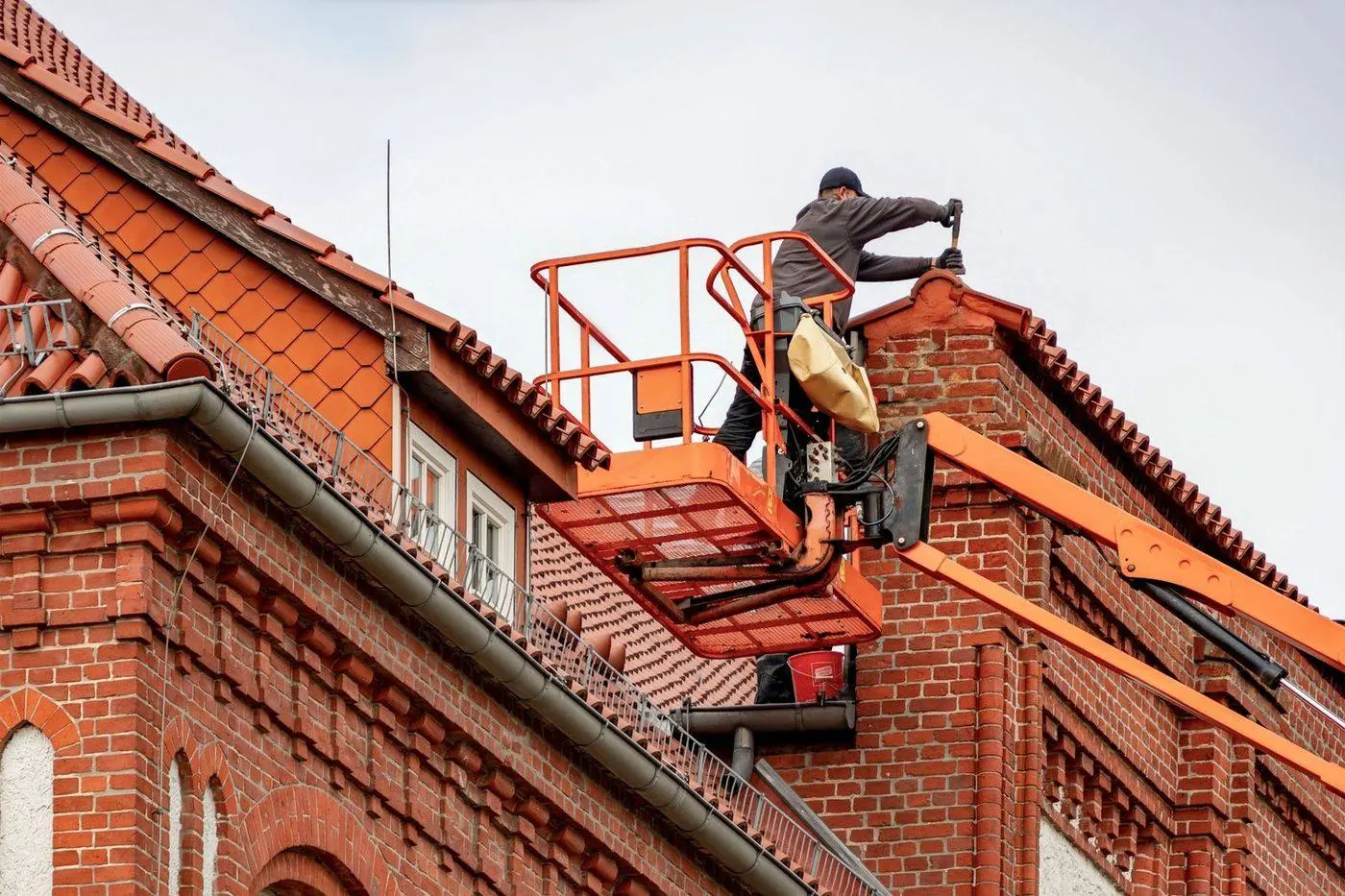
Patching is the workhorse for punctures and small tears: the damaged area is cleaned, primed, and covered with a patch of matching membrane, heat-welded (TPO/PVC) or adhered with seam adhesive (EPDM) so it bonds as one surface. A proper patch extends well beyond the visible damage and is rounded at the corners so edges can't peel.
Seam repair addresses the most common flat-roof failure, seams that have opened between membrane sheets. The provider cleans the failed seam, applies new adhesive or re-welds it, and often adds a cover strip over the top for redundancy. On older roofs, multiple failing seams can signal the membrane is near the end of its service life.
Flashing and penetration repair targets the edges: where the membrane meets parapet walls, around drains and scuppers, and at rooftop units, vents and skylight curbs. These get new flashing, termination bars and sealant, the details that actually keep water out.
Coating is sometimes proposed as a fix-all: a liquid membrane rolled over the entire roof. Coatings have their place as maintenance on a sound roof, but a coating over a failed, saturated membrane just hides the problem while the decking underneath keeps rotting. Ask what the coating is covering, and what's underneath it.
Know the signs
8 warning signs your flat roof is leaking
- Water that stands for days. Some ponding right after rain is normal; water still standing 48 hours later means drainage has failed and the membrane is soaking.
- Blisters or bubbles in the membrane. Trapped moisture or air pockets push the surface up. Blisters that crack open become direct water entries.
- Seams lifting or curling. Edges of membrane sheets peeling apart, visible as raised lines across the roof. Each open seam is a channel for water.
- Cracked or alligatored surface. A pattern of fine cracks like dried mud means the membrane's top layer is breaking down from UV exposure.
- Stains on interior ceilings below the flat section. Often the only sign visible from inside, and it can sit far from the actual breach.
- Clogged or slow drains. Leaves and debris around drains after every storm. If water can't leave, it finds another way, through the roof.
- Sagging between supports. A dip in the roof surface that holds water permanently. Structural, not just waterproofing, needs prompt professional eyes.
- Previous patches peeling up. Old patches lifting at the edges mean the bond failed, the repair needs redoing, and the underlying issue may be bigger than the patch.

Local causes
What causes flat roof leaks in Sayreville
Ponding water is the number one enemy. Flat roofs live or die by drainage, and New Jersey's heavy downpours punish any roof that can't shed water fast. Where water stands, seams soften, membranes blister, and every tiny defect becomes a leak path. These are the failures a flat roof leak repair targets: the provider patches the membrane, reseals the seams, and makes sure water can drain instead of pond.
UV breakdown attacks dark membranes relentlessly. EPDM and modified bitumen bake under summer sun; without reflective coating or ballast, the surface chalks, cracks and loses elasticity until seams pull apart on their own.
Freeze-thaw works the seams and flashing. Water trapped in a small seam gap freezes, expands, and wedges the gap wider, a slow-motion failure that shows up as a spring leak after a winter of quiet damage.
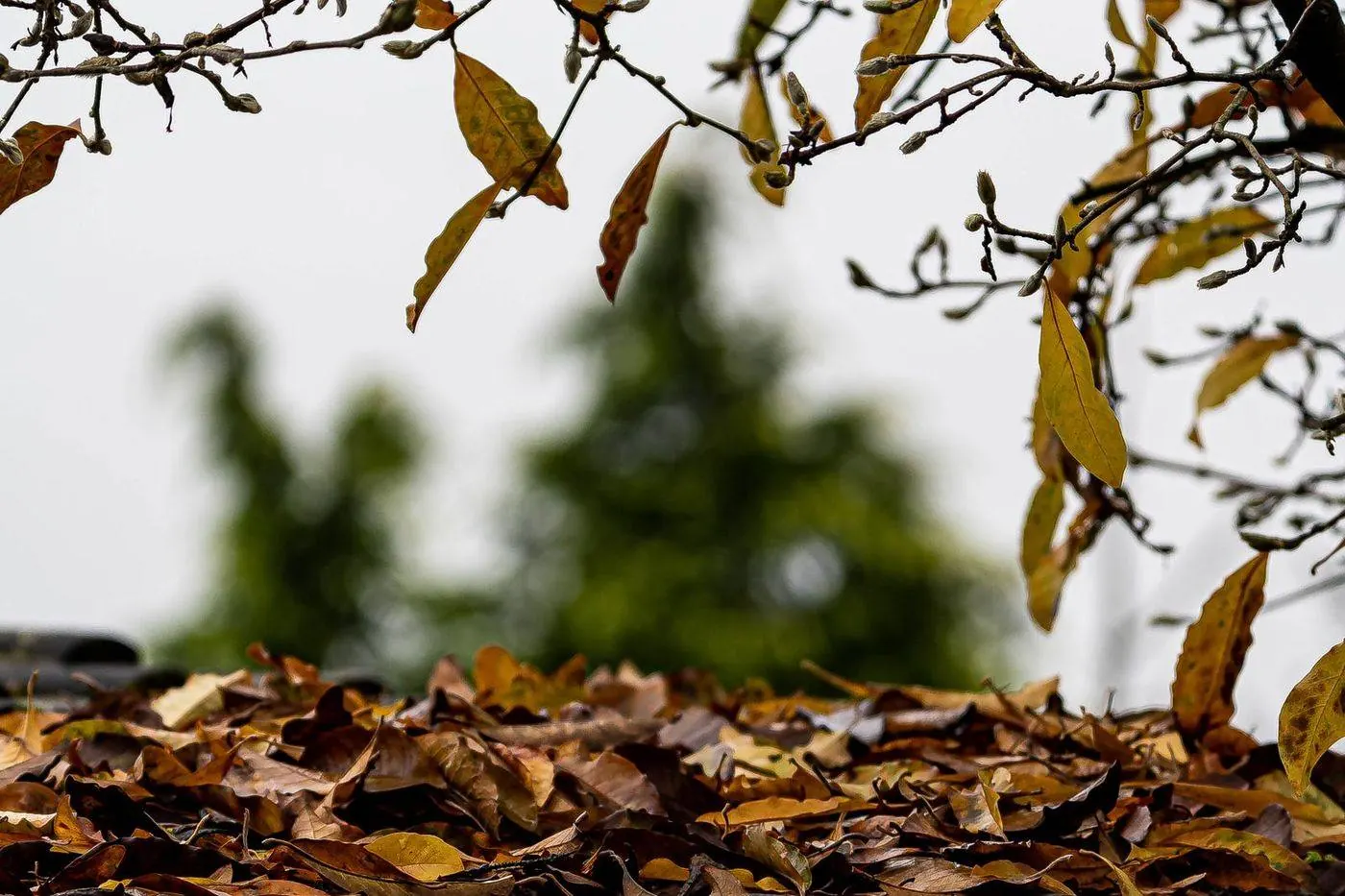
Clogged drains and scuppers turn a rainstorm into a swimming pool. Fall leaves are the classic culprit around Sayreville, one blocked drain during a nor'easter can put inches of standing water across the whole roof. Foot traffic punctures membranes too: HVAC technicians, holiday decorators and well-meaning homeowners stepping on the same path wear through the surface.
Before you call
Safe checks you can do first
- Map the interior stain. Note exactly which room and where, under a flat section? Near a wall where the flat roof meets the house? That tells the provider which roof area to inspect.
- Check after rain (from a window). If you can see the flat roof from an upstairs window, look for standing water 48 hours after rain and note where it sits.
- Clear what you can reach safely. If a ground-level downspout or gutter feeding the flat roof is visibly clogged, clearing it is safe and sometimes solves the "leak" entirely.
- Photograph the roof surface. Zoomed photos from a window showing blisters, ponding or debris help the provider diagnose before arriving.
Warning: Don't walk a wet flat roof to "take a look." Membranes are slick when wet, parapet edges are easy to misjudge, and an untrained foot can puncture the very surface you're inspecting. Observation from windows and inside is enough.
What to expect
The flat roof repair visit, step by step
- Interior mapping. The provider starts inside, marking stain locations and checking the ceiling and walls below the flat section for the full extent of water travel.
- Roof survey. Walking the membrane in a grid: seams, flashing, drains, penetrations, blisters. They'll note ponding areas and measure how long water stands.
- Moisture check. Experienced providers probe or scan for trapped moisture under the membrane, a roof can look intact on top while the insulation below is saturated.
- Diagnosis: repair or replace. Isolated damage gets a repair plan. Saturated insulation, widespread seam failure or structural sagging gets an honest replacement conversation.
- The repair. Patches, seam work, flashing rebuilds, drain clearing, done with materials matched to your membrane type, never one-size-fits-all sealant.
Pricing
What affects the cost of flat roof repair
| Factor | Why it matters |
|---|---|
| Membrane type | EPDM, TPO, PVC and modified bitumen each need different materials and techniques, the wrong patch on the wrong membrane fails fast. |
| Extent of damage | A single puncture is quick; widespread seam failure across the field is a different job entirely. |
| Trapped moisture | Saturated insulation under the membrane must be replaced, not dried in place, found only during the repair. |
| Drainage fixes | Adding a drain, re-pitching a section or clearing chronic ponding adds work but prevents the next leak. |
| Roof access | Getting materials to a flat roof, especially over an occupied building, takes crew time and sometimes equipment. |
Urgency check
When a flat roof leak is an emergency
Call for emergency roof leak repair if water is actively coming through the ceiling below a flat roof, if a drain blockage has ponded deep water that's visibly stressing the structure, or if the ceiling is sagging under the load. Ponded water is heavy, a single inch across a large flat roof weighs tons, and structural sagging means the framing is already compromised.
Flat roof leaking?
Ponding water won't fix itself. Call and reach an independent roofing provider experienced with membranes.
(732) 641-1662
Fix the membrane before the decking rots
Every week of ponding shortens the roof's life. Call now and get connected with an independent roofing provider serving Sayreville, NJ.
Standing water won't wait
One call connects you with an independent roofing provider serving Sayreville, NJ. No obligation to book.
FAQ
Flat roof leak repair questions
Straight answers about Flat roof leak repair in Sayreville, NJ.
By working backward from the interior stain and then surveying the membrane in a grid, seams, flashing, drains and penetrations. Because water travels sideways under flat membranes, providers also check for trapped moisture beneath the surface; the visible stain often sits far from the actual breach.
Isolated damage, a puncture, a failed seam section, a bad flashing detail, patches well. But saturated insulation, widespread seam failure or a membrane that's cracking everywhere means patching is throwing money at a roof that's done. An honest provider distinguishes the two on inspection.
Up to 48 hours is generally considered acceptable; beyond that, drainage isn't doing its job. Chronic ponding shortens membrane life and should be addressed with drain clearing, tapered insulation or additional drainage, not just another patch over the wettest spot.
They're different waterproofing materials with different repair methods: EPDM is a rubber membrane repaired with adhesive patches, TPO/PVC are heat-welded plastics, and modified bitumen is an asphalt-based system often torched or cold-applied. The key point for you: the repair must match the membrane. Ask the provider to identify yours before quoting.
A coating over a sound roof is good maintenance. A coating over a saturated, failing membrane just hides the problem while the decking underneath keeps rotting. If a coating is proposed, ask what's underneath it and whether moisture testing was done first.
At least twice a year, after fall leaf drop and after spring pollen and seed season, plus after any major storm. In Sayreville's tree-lined neighborhoods, a single autumn can pack a drain solid. It's the cheapest leak prevention a flat roof has.
Call (732) 641-1662. Sayreville Roof Leak Repair is a referral service that connects your call with an independent local roofing contractor providing flat roof leak repair in Sayreville and nearby Middlesex County towns. No searching through listings and no waiting on callbacks, one call puts you through to a nearby roofer.
Start inside: look for stains on the ceiling, then check the roof surface uphill of the stain for punctures, blistered membrane, or gaps at seams and flashing. Water travels on flat roofs, so the entry point is often feet away from the stain. A provider traces it with a visual inspection and, when needed, controlled water testing.
The right sealant depends on the membrane type. EPDM, TPO, and modified bitumen all take different products, and using the wrong one can make the leak worse. A provider will match the repair material to your roof.
A proper patch on a sound membrane can last for years. The lifespan depends on the roof's overall condition, drainage, and sun exposure. A provider can tell you whether a repair or a larger section fix makes sense.
No. A sound flat roof handles heavy rain without leaking. If water comes in during storms, something has failed: a seam, flashing, drain, or puncture. Get it checked before the next storm.
Related services and areas
Leak on a sloped shingle section instead? See our main roof leak repair in Sayreville, NJ guide for tracing any leak from stain to source. Related: Emergency roof leak repair, Storm damage roof repair, Shingle roof leak repair, Roof leak repair in South Amboy.
Contact
Get in touch
The fastest way to reach us is a phone call. No forms, no waiting.
Sayreville, NJ 08872 and nearby towns
You reach our referral line. No obligation to book.
Call Now
(732) 641-1662Speak with our referral line about your roof leak. Describe what you see and we will connect you with an independent local provider.
Tap to CallService Areas
Roof leak repair near you
We take calls for Sayreville and these nearby towns. Provider availability varies by day and town. If you need flat roof repair near me in Sayreville, call (732) 641-1662 and we will connect you with an independent local provider.